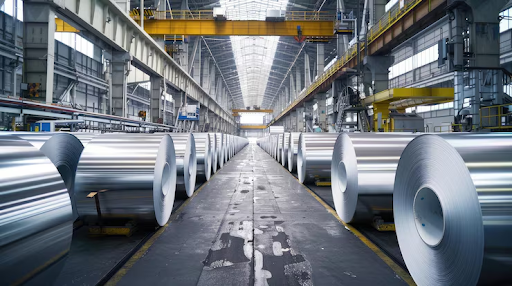
At a time when its survival is genuinely in question, British Steel has done something that its advocates have long argued it could: won a major international contract on the strength of its product quality and manufacturing capability. The eight-figure deal with ERG International Group to supply rail for Turkey’s Ankara–İzmir high-speed railway is the latest and most powerful exhibit in the case for keeping Scunthorpe open.
The 599km railway project will connect Turkey’s capital with the Aegean coast, cutting journey times and reducing carbon emissions. British Steel’s 36,000 tonnes of rail will form a core component of this infrastructure, shipped from north Lincolnshire to Turkey in a transaction that illustrates both the global demand for quality steel rail and the plant’s ability to supply it.
Twenty-three new jobs have been created, and 24-hour production has been restarted for the first time in over a decade. UK Export Finance provided backing for the deal, helping British Steel compete against rivals who often have the advantage of lower energy costs and government subsidies. Industry body UK Steel has praised the contract and called for structural reforms to level the playing field.
The case for British Steel’s survival rests on several pillars: the employment it provides to 3,500 workers and their families, the economic activity it generates in north Lincolnshire, its strategic importance to UK infrastructure projects, and its proven ability to supply world-class rail. The Turkish contract strengthens each of these arguments.
But making the case is one thing — having a plan is another. British Steel is losing £1.2 million a day, with total losses at £359 million. It needs a new owner, structural investment, and policy support. The Turkish deal helps make the argument; what comes next must provide the answer.
British Steel Makes the Case for Survival With a Major Turkish Rail Win