
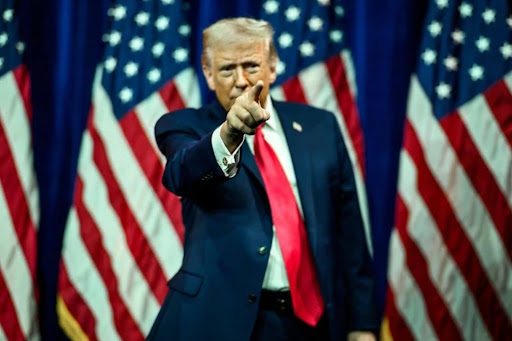
President Donald Trump warned Iran on Thursday that its apparent strategy of silence and stalling in the ceasefire process was not a strategic masterstroke but a catastrophic mistake that was leading the country toward irreversible consequences. His Truth Social post accused Iranian negotiators of privately seeking a deal while their government avoided any honest public acknowledgment of this reality. Trump warned that the strategy was both dishonest and self-defeating, and urged Tehran to abandon it before the window for a deal closed permanently.
The US peace proposal spans 15 specific provisions and offers Iran substantial incentives to enter genuine negotiations. These include the easing of economic sanctions, a nuclear programme rollback, missile restrictions, and the restoration of free navigation through the Strait of Hormuz. The Strait of Hormuz is a globally vital energy corridor, carrying roughly one-fifth of world oil supply. Iran’s rejection of this proposal has been the central obstacle to a ceasefire.
Tehran has publicly broadcast its own peace conditions through state media, including demands for the protection of its officials from targeted strikes, formal assurances of no future war, reparations for wartime destruction, and internationally recognized authority over the Strait of Hormuz. These demands are more ambitious than Washington’s offer and reflect Iran’s sense of what a fair resolution requires. Finding a framework that bridges the two sides’ expectations remains an enormous diplomatic challenge.
The conflict has inflicted devastating consequences on the people of the region. Over 1,500 have been killed in Iran and nearly 1,100 in Lebanon, with further casualties in Israel and across the wider region. Thirteen US military personnel have also died, and millions of civilians in Iran and Lebanon remain displaced and vulnerable.
Trump’s warning on Thursday was a direct challenge to Iran’s diplomatic approach: silence and stalling are not strength, they are a path to disaster. Military operations continue to inflict casualties daily, and the urgency of a diplomatic breakthrough cannot be overstated. Iran must recognize its mistake and engage honestly before the window for peace closes entirely.