
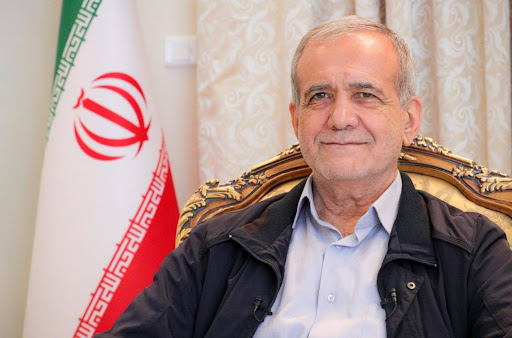
As the Iran-US war shows no signs of ending, Iranian President Masoud Pezeshkian has grown louder in his warnings to Gulf states, publicly linking their security and development to their decision about hosting enemy military operations. His latest statement, made more than a month into the conflict, reflects the growing urgency of Tehran’s diplomatic engagement with its neighbours. Iran is clearly seeking to accelerate the diplomatic timeline by intensifying pressure on Gulf governments.
Gulf nations including Saudi Arabia, the UAE, Kuwait, Qatar, and Oman have been caught in the war’s widening orbit through the US military presence on their soil. Iranian retaliatory strikes against those nations have created a persistent cycle of violence that shows no signs of abating. Gulf governments are facing growing pressure to find a way out of an increasingly costly conflict.
Pezeshkian used X to communicate Iran’s military stance of non-aggression and firm retaliation, while making an increasingly urgent appeal to Gulf leaders. He warned them that their security and development were in jeopardy as long as they continued to host enemy military forces. The urgency of the message reflected the deteriorating regional situation.
Pakistan’s diplomatic effort has been sustained and credible, with Prime Minister Shehbaz Sharif maintaining close engagement with Iranian leadership and other key regional parties. Sharif’s meeting with Pezeshkian confirmed that Iran sees trust as the essential prerequisite for any formal peace process. Pakistan’s contributions have been praised by Tehran.
A major multilateral diplomatic consultation in Pakistan is bringing together senior officials from Saudi Arabia, Egypt, and Turkey for focused deliberations on the war. Their discussions with Pakistani Foreign Minister Ishaq Dar and Prime Minister Sharif are aimed at developing practical strategies for de-escalation. The talks represent one of the most important diplomatic opportunities of the conflict so far.