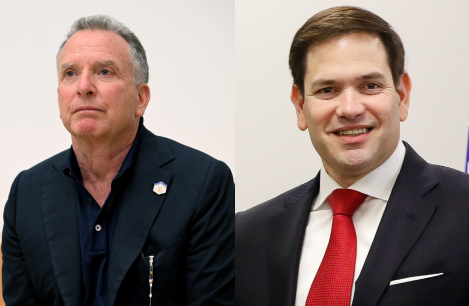
The Trump administration’s peace negotiating team—featuring Steve Witkoff and Jared Kushner alongside Secretary of State Marco Rubio—reflects the president’s preference for advisers with business rather than diplomatic backgrounds. Both Witkoff and Kushner built careers in real estate before entering international negotiations.
Real estate dealmaking emphasizes transactional approaches, personal relationships, and creative problem-solving over rigid adherence to established practices. This mindset views negotiations as puzzles requiring innovative solutions rather than diplomatic ceremonies following traditional protocol. Trump believes these skills translate effectively to international relations.
Witkoff and Kushner’s Gaza ceasefire success provides evidence supporting this approach. Their 20-point proposal helped achieve agreement where traditional diplomatic efforts had stalled. The achievement demonstrated that unconventional negotiators can sometimes break through impasses that confound career diplomats.
Critics question whether real estate skills adequately prepare negotiators for geopolitical complexities. International conflicts involve historical grievances, national identities, and security concerns that differ fundamentally from property transactions. The stakes in Ukraine—involving major powers, European security, and principles of international law—exceed anything in commercial real estate.
The Florida negotiations and planned Moscow talks will test whether the real estate approach succeeds with Ukraine peace efforts. If Witkoff and Kushner help broker an acceptable settlement, they’ll validate Trump’s preference for business-minded advisers. Failure would raise questions about applying commercial negotiating tactics to international conflicts requiring deep understanding of history, culture, and geopolitical dynamics.
Real Estate Background Shapes Trump’s Diplomatic Team Approach