
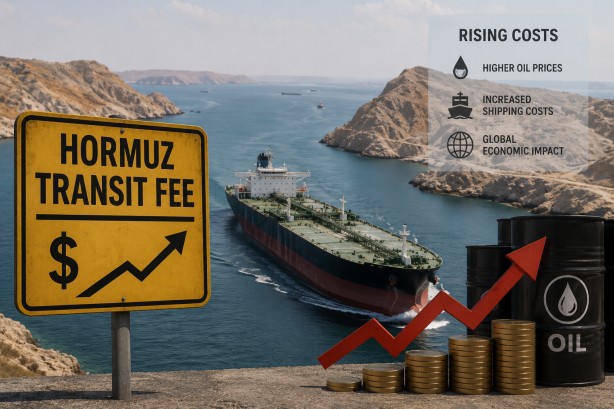
A potential new fee on ships passing through the Strait of Hormuz, proposed by Iran and Oman, could reshape global energy trade by increasing transit costs. The plan aims to impose a charge of roughly $1 per barrel of oil transported through this critical waterway. Given the current Brent crude price of about $86 per barrel, this levy would amount to around 1.2% of the oil’s value, potentially creating a highly lucrative revenue stream for the region.
The Strait of Hormuz is a vital corridor for global oil shipments, accounting for approximately 20% of worldwide oil consumption. If implemented, the proposed fee could generate an estimated $6.8 billion annually, based on current shipping volumes, which might surpass the revenue from the Suez Canal’s transit fees. However, industry experts caution that even this seemingly modest increase in shipping costs could ripple through the global economy, affecting fuel prices, air travel, freight rates, and the cost of imported goods.
Proponents argue that a clear fee structure could be more economically viable than dealing with disruptions or temporary closures in the Strait, events that have historically led to spikes in energy prices and heightened market volatility. Yet, there are concerns about the long-term stability and enforcement of such an agreement, leaving some uncertainty in the international community.
The prospect of increased transit costs is prompting Gulf nations to explore alternative export routes. The United Arab Emirates, for instance, is investing in pipelines and ports that bypass the Strait of Hormuz, while Saudi Arabia is expanding its East-West pipeline usage to reduce dependency on this strategic passage. Analysts suggest that such infrastructure developments could gradually decrease the volume of oil flowing through the Strait, potentially affecting the long-term revenue from any future transit fees.