
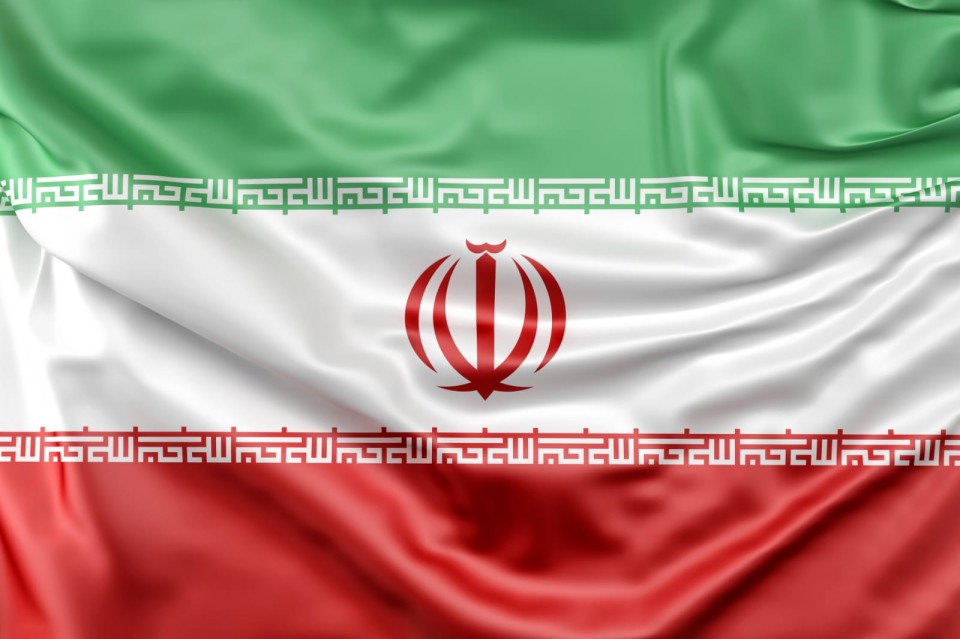
Iran has reached a pivotal agreement with the United States, allowing United Nations nuclear inspectors to resume their oversight of Iranian nuclear sites. This development is part of a broader deal that includes easing sanctions on Iranian oil exports and facilitating the reopening of the Strait of Hormuz, marking a significant move towards reestablishing international scrutiny over Iran’s nuclear activities. Cooperation with the International Atomic Energy Agency (IAEA) had been previously halted due to military strikes on Iranian nuclear facilities and escalating regional tensions.
After nearly 18 hours of negotiation in Switzerland, Iranian Foreign Minister Abbas Araghchi and US Vice President JD Vance announced progress in the discussions. Technical teams from both countries, alongside mediators from Qatar and Pakistan, are set to work on the finer details and a framework for a more comprehensive agreement anticipated within the next two months. A key breakthrough in the talks was Iran’s decision to allow IAEA inspectors to continue their monitoring activities, with ongoing negotiations regarding the extent of inspections and access to previously damaged nuclear facilities.
The agreement includes economic measures aimed at alleviating pressure on Iran’s economy. The United States is preparing a temporary waiver to permit the resumption of Iranian oil and petrochemical exports. Furthermore, discussions are underway about releasing Iranian assets that have been frozen abroad, with Iranian officials hopeful that these steps will stabilize the economy and curb inflation.
Another significant element of the agreement is the establishment of a coordination mechanism involving Washington, Tehran, and Beirut. This mechanism aims to support efforts towards a sustainable ceasefire in Lebanon, reducing the potential for escalation and improving communication during periods of tension.
Despite the notable progress, officials recognize that substantial challenges persist, particularly concerning regional security issues and the implementation of ceasefire commitments. Nevertheless, both sides described the discussions as constructive and expressed optimism that continued diplomacy could lead to a comprehensive long-term agreement.