
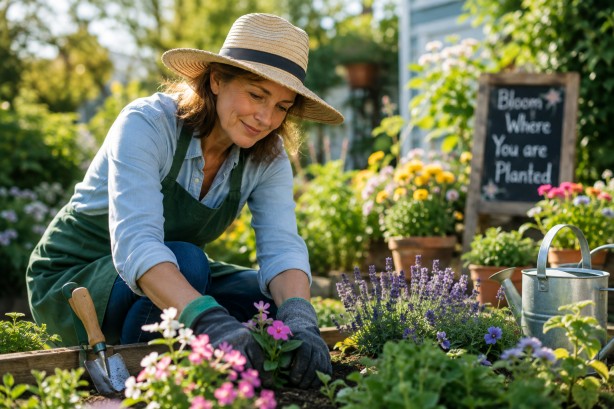
Gardening, long cherished as a peaceful pastime, is more than just a way to beautify one’s surroundings. This engaging activity can significantly enhance overall well-being, blending physical exertion, outdoor exposure, sensory engagement, and a connection with nature. Studies have highlighted numerous health benefits associated with regular gardening, underscoring its potential to foster a healthier lifestyle.
Among the advantages of gardening is its positive effect on cognitive health. The activity involves various tasks such as selecting plants, adhering to care routines, and working with soil—all of which stimulate the mind. This combination of physical movement and mental engagement has been linked to improved cognitive functioning. Additionally, gardening can create a serene environment that helps alleviate stress. Tasks like watering, pruning, and planting, alongside the tranquil presence of greenery, offer a respite from everyday stressors. Reduced stress is closely tied to better general health, suggesting that gardening can be a valuable part of a balanced life.
Beyond mental health benefits, gardening can also enhance mental well-being by offering a sense of purpose and achievement. Caring for plants and witnessing their growth encourages individuals to spend more time outdoors, away from daily distractions. Research indicates that gardening can improve mood, alleviate anxiety and depression, and boost overall life satisfaction. Furthermore, gardening is an excellent way to incorporate more physical activity into one’s routine. Actions such as digging, planting, and watering engage different muscle groups, making it an effective and meaningful way to increase daily movement, especially for those with sedentary lifestyles.
Gardening naturally draws people into the outdoors, providing exposure to daylight, which is crucial for producing vitamin D. This vitamin supports bone health, immune function, and overall wellness. However, it’s essential to balance sunlight exposure with proper protection to avoid the risks associated with strong sunlight. The long-term health benefits of gardening are noteworthy as well. The combination of physical activity, stress relief, and outdoor time contributes to a healthier lifestyle. Studies have shown that older adults who garden enjoy better cardiovascular health and a reduced risk of certain lifestyle-related conditions, highlighting gardening’s role in promoting healthier aging.
Ultimately, gardening is a simple practice with numerous advantages. It doesn’t require large spaces or extensive experience—growing herbs, caring for indoor plants, or spending a few minutes tending to flowers can offer opportunities for movement, relaxation, and a deeper connection with nature. By embracing gardening as more than just a hobby, individuals can seamlessly integrate physical activity, outdoor enjoyment, and mental relaxation into their daily lives.