
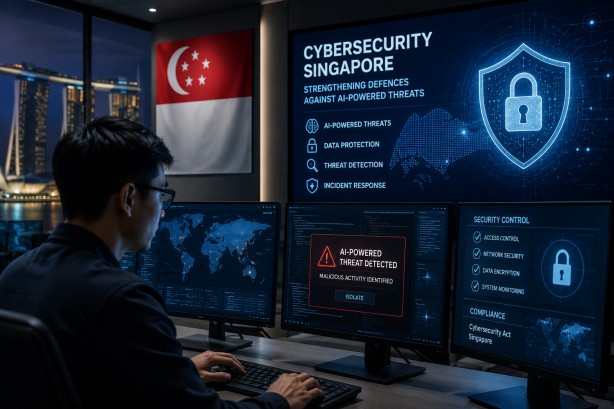
In a bid to bolster defenses against increasingly sophisticated cyber threats, Singapore has introduced stricter cybersecurity requirements for operators of critical information infrastructure (CII). The updated Cybersecurity Code of Practice mandates the deployment of a locally developed intrusion detection tool and demands comprehensive board-level oversight of cybersecurity measures.
The new regulations impact 11 critical sectors, including banking, energy, healthcare, telecommunications, transport, water, and government. These sectors are considered vital to the nation’s infrastructure, and ensuring their protection is paramount as cyber threats continue to evolve.
The decision to tighten cybersecurity protocols follows a series of recent cyberattacks on Singapore’s major telecommunications providers. With concerns mounting over the capabilities of artificial intelligence to enable attackers in pinpointing vulnerabilities and launching more advanced attacks, authorities have emphasized the necessity for more robust governance and heightened cyber resilience.
Organizations are being urged to adopt stronger governance frameworks, improve their cyber resilience, and conduct regular reviews of their cybersecurity protocols to safeguard the nation’s critical infrastructure. By reinforcing these measures, Singapore aims to address the growing challenges posed by AI-driven cyberattacks and protect its essential sectors from potential disruptions.