
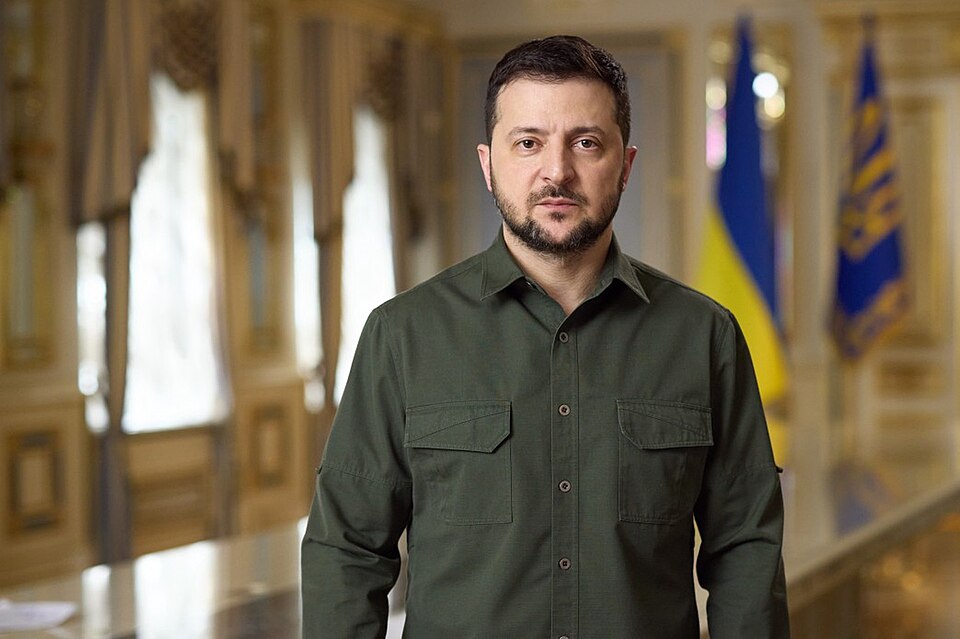
Amid rising tensions between Ukraine and Poland over a historical controversy, Ukrainian President Volodymyr Zelenskyy has decided not to participate in the Ukraine Recovery Conference taking place in Gdańsk, Poland. The conference, designed to attract global support and investment for Ukraine’s post-war reconstruction, will see Ukraine represented instead by a delegation led by Prime Minister Yulia Svyrydenko. The diplomatic friction stems from a decision by Zelenskyy to honor a Ukrainian military unit with a name that resonates controversially in Polish history.
The discord originates from Zelenskyy’s approval of naming a military unit after the Ukrainian Insurgent Army (UPA). While many Ukrainians view the UPA as integral to their independence struggle, its legacy is contentious in Poland due to its association with the deaths of thousands of Poles during World War II. This decision has led to criticism from Polish officials, including President Karol Nawrocki, who accused Ukraine of overlooking the historical suffering experienced by Poles. Despite the strong collaboration between the two nations against Russian aggression, this issue has strained their bilateral relations.
Responding to the backlash, Zelenskyy defended his decision, asserting that military units should have the autonomy to select names reflecting Ukrainian heritage. He cautioned that political disagreements like this could undermine the crucial cooperation between Ukraine and Poland, especially amid ongoing security threats in the region. The controversy highlights the delicate balance both countries must maintain in their partnership, given the broader geopolitical challenges they face.
In an attempt to ease tensions, Polish Prime Minister Donald Tusk has called for both sides to de-escalate the situation. He emphasized that while differences are inevitable, they should not be allowed to damage the strategic alliance between Ukraine and Poland. European officials have echoed similar sentiments, warning that any deterioration in relations would play into Russia’s hands, urging continued unity and cooperation between the neighboring allies.